
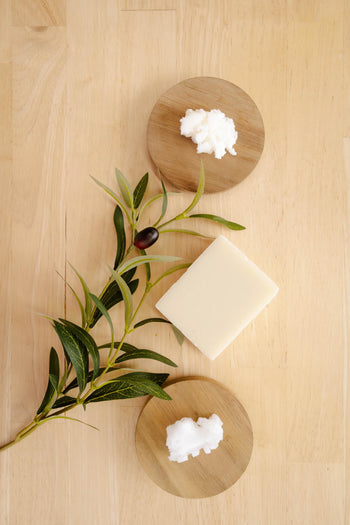
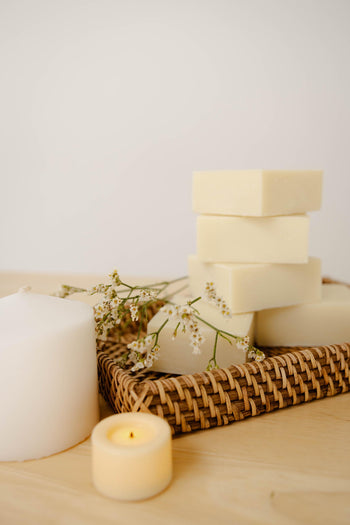
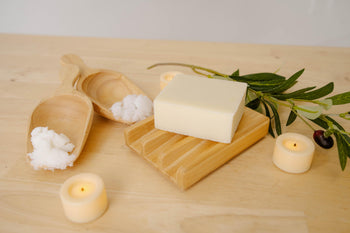

When you switch from an ordinary bar of soap to natural soap, the difference is immediately noticeable. Essential oils in handmade soap add more than a simple, pleasant scent; they turn your regular shower into a moment of restorative rejuvenation.
Natural soaps with essential oils offer calming floral notes and bright citrus blends, a plant-derived aroma that creates a genuine sensory experience. Plus, there is a genuine shift towards simpler, more transparent personal care options. In a 2025 U.S. survey, 74% of consumers said that organic ingredients are important to them where personal care products are concerned.
Another 65% said they want clear ingredient lists to help identify ingredients they prefer to avoid. This guide will walk you through everything you want to know about essential oils, why they make a profound difference in handmade bars, and how to choose a scent that you will genuinely love.
What Are Essential Oils and Why Do They Belong in Soap?
Essential oils are concentrated aromatic compounds extracted from plants. Depending on the plant, they may come from flowers, leaves, peels, bark, roots, or resin. Lavender oil, tea tree, eucalyptus, and citrus essential oils are a few common examples.
In soapmaking, essential oils are used to create a naturally aromatic bar without relying on synthetic fragrance oils. Fragrance oils can offer a strong scent and a wide variety of profiles, but they are usually formulated from synthetic compounds or fragrance materials instead of coming solely from plants.
Soap made with essential oils offers more than scent. Depending on your choice, an essential oil blend can influence how a bar plays into your daily routine. For instance, fresh and energizing in the morning, soft and calming at night, or clean and grounding whenever you need to kick back and reset.
Many homemade soap makers use cold process soap because it allows them to work more creatively with oils. However, every oil behaves differently throughout the soap-making process.
Key Benefits of Essential Oils in Soap
When carefully selected and used within safe formulation limits, essential oils mold the soap's overall sensory experience. That includes everything from its aroma and character to the way it fits into a calming, refreshing, or overall skin routine.
1. Skin-Nourishing Properties
Many essential oils are commonly associated with a soothing, balancing, or clarifying skin routine. For example, lavender essential oil is often preferred for evening routines, while tea tree appeals to those who prefer a fresh, herbaceous, clean-feeling bar.
The full bar is just as important. A handmade soap recipe could potentially combine essential oils with nourishing base oils, like olive oil, coconut oil, and shea butter. This would create a comfortable cleansing experience.
Essential oils are not a substitute for medical skincare, however, and anyone with skin sensitivity should patch-test a new product first.
2. Natural Aromatherapy Benefits
Many people find that lavender is calming, peppermint is invigorating, citrus oil is uplifting, and earthy blends are grounding. A bar made with a pure essential oil blend transforms a regular, routine shower into a more introspective pause in the day.
A bright, sweet orange creamsicle scent feels like a fresh start, while lavender essential oil and tea tree are closely related to a clean, spa-like evening wash. These are personal, sensory experiences (not medical claims), and your preferred scent is the one that fits into your preferred routines throughout the day.
3. A Cleaner Alternative to Synthetic Fragrance
For clean beauty shoppers, essential oil soaps offer a simpler alternative to bars that are scented with synthetic fragrances.
That doesn't mean every natural ingredient works for every person, however. Essential oils are concentrated and can still cause allergic reactions or irritation in some users.
4. Long-lasting, Authentic Scent
Natural scent generally behaves differently than a strong scent created with synthetic fragrance oils. Essential oils usually have a softer smell, more nuanced and more evolving. Citrus oils may be bright and immediate, while deeper base notes (something like cedarwood) tend to add warmth and help to anchor lighter aromas.
Popular Essential Oils and What They Offer
Whether you are a longtime natural soap fan or are trying essential oil soaps for the very first time, scent is a useful and natural place to start.
|
Essential Oils |
Scent Profile |
Commonly Loved For |
|---|---|---|
|
Lavender |
Floral and Calming |
Relaxing routines |
|
Peppermint |
Cool and Fresh |
Invigorating wash |
|
Tea Tree |
Herbaceous and Sharp |
Clarifying feel |
|
Citrus: Orange or Lemon |
Bright and Uplifting |
Morning energy |
|
Eucalyptus |
Crisp and Camphorous |
Refreshing clarity |
Lavender essential oil is a versatile option for a softer, familiar scent. Peppermint offers a noticeably fresh character, and tea tree suits those who really enjoy sharper herbal profiles. Citrus essential oils, including sweet orange and other citrus oils, are ideal for anyone who loves a bright and cheerful bar of soap.
Choose natural soap with essential oils based on the feeling you prefer from your daily wash. Go with floral for a slower ritual, citrus for a lively start, or herbal for earthy notes and a grounded experience.
Why Handmade Matters for Essential Oil Soaps
Handmade soap provides makers with the opportunity to focus closely on each batch, from the oils selected for the soap base to the final essential oil blend. Rather than thinking of scent as a kind of afterthought, small-batch soap makers choose oils for soap making with the finished bar's character in mind.
In cold process soap, essential oils are usually added at light trace, when the soap batter is beginning to thicken. Some oils accelerate trace, while delicate notes may shift during saponification or soften as the soap cures. This is why formulation, safe limits, and patient testing are so important.
At Bare Theory Soap, the appeal is straightforward: Creative, handmade soap, clear choices in ingredients, and bars designed to support simple, yet solicitous routines.
How to Choose the Right Essential Oil Soap for You
Start with the kind of experience you want to have from a bar of soap, then keep your skin and routine in mind.
-
Choose lavender oil or a gentle floral blend if you want an everyday bar that feels relaxing and familiar.
-
Try citrus oils for a bright morning shower or a refreshing post-workout wash.
-
Choose tea tree, eucalyptus, or other herbaceous notes if you enjoy a crisp, outdoorsy scent.
-
Consider an unscented bar if you know you have skin sensitivity or react to scented skincare products.
-
Start with one versatile bar, then explore other essential oils as you discover your preferences.
For makers, how much essential oil to use isn't a one-size-fits-all query. Safe usage rates vary by oil and product, so responsible soap makers check the specific safety guidance for each material instead of assuming every essential oil can be used at the same level.
Frequently Asked Questions
1. Are essential oil soaps good for sensitive skin?
They can be, but it depends on the formula and the person. Look for a gently formulated bar, read the ingredient list, and patch-test before regular use. If your skin is especially reactive, an unscented handmade soap may be the better place to start.
2. Do essential oils in soap actually provide aromatherapy benefits?
They can enhance the sensory side of a shower. Scent is widely connected with mood and memory, and many people find that lavender, citrus, or grounding earthy notes make their routine feel more intentional. The experience is personal and should not be treated as medical care.
3. How long does the scent last in soap made with essential oils?
It varies. Essential oils can lose potency over time, and some delicate citrus oils tend to fade more quickly during curing and storage. Store bars in a cool, dark place and expect a natural scent to be more subtle than many synthetic fragrances.
4. Is natural soap with essential oils better than store-bought bars?
It depends on what you value. If you prefer transparent ingredients, plant-based aroma, and small-batch craftsmanship, natural soap can be an excellent fit. Store-bought bars may suit other needs, so ingredient preference and skin comfort should guide the decision.
5. Can I use essential oil soaps on my face?
Use caution. Facial skin can be more sensitive than the rest of the body, so choose a mild bar and avoid the eye area. Stop using it if irritation occurs, and consider a product specifically formulated for facial cleansing.
6. Which essential oil soap should a beginner start with?
Lavender is an easy first choice. Its floral scent is familiar, versatile, and often associated with a relaxed, comforting wash routine.
Find Your Signature Scent
The benefits of essential oils in handmade soap boil down to a better everyday experience. Plant-derived scents, creatively chosen ingredients, and a bar that transform a simple routine into something that charges, refines, or calms.
If you're ready to take a fresh step towards a cleaner, more fundamentally transformational routine, explore Bare Theory Soap's handmade soap bars collection. Find the natural scent, feel, and handmade bar that belongs in your daily ritual.


