

Finding the right soap for sensitive skin can feel like trial and error. One bar leaves your skin tight and itchy. Another brings on redness or small breakouts a day later. If washing your face or hands has turned into a guessing game, you're far from alone, and the fix is simpler than it feels right now.
The good news is that a little knowledge goes a long way. Choosing a gentle soap for skin doesn't come down to luck. It comes down to knowing what to look for and what to leave on the shelf. The American Academy of Dermatology recommends fragrance-free, gentle cleansers for reactive skin types, since fragrance is one of the most common triggers for irritation- a good reminder that the label matters more than the marketing.
This guide walks through what actually belongs in a gentle formula, what to avoid, and how to build a simple routine your skin will thank you for.
What Makes Skin "Sensitive"?
Sensitive skin reacts easily to harsh ingredients, fragrance, or a weakened moisture barrier. When that barrier is compromised, skin loses water faster and lets irritants in more easily. The result is discomfort after something as simple as washing your hands.
Common signs include stinging, dryness, flaking, redness, and a tight feeling right after cleansing. Some people notice these reactions immediately. Others see them build slowly over days of repeated use.
Regular soap can quietly make this worse. Traditional bars often sit at a high, alkaline pH that disrupts the skin's natural acid mantle.
A widely cited dermatology review notes that alkaline soaps can strip the lipid layer of the stratum corneum, leading to dryness and a weaker barrier over time. Choosing a soap that is good for sensitive skin starts with understanding how your own skin responds, and then working backward from there.
Ingredients to Look For in a Gentle Soap for Skin
The best gentle soap for skin relies on ingredients that clean without stripping. A short, recognizable ingredient list is usually a strong sign of a milder formula. Fewer additives simply mean fewer chances for a reaction.
Look for these barrier-supporting ingredients:
-
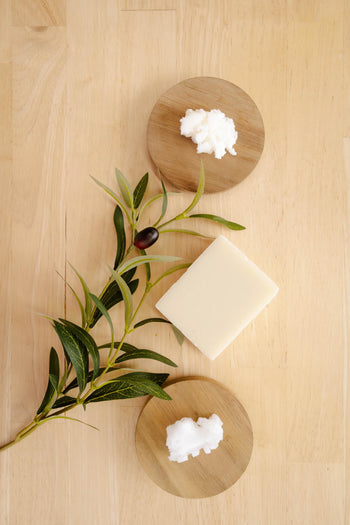
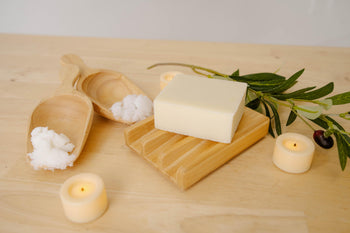
Plant oils such as olive oil and coconut oil, kept in balance, which clean gently while adding moisture
-
Shea butter, a rich butter that softens and soothes dry patches
-
Glycerin, a humectant that draws water into the skin
-
Colloidal oatmeal, known for calming itching and redness
-
Cocoa butter, which adds a protective, conditioning layer
Naturally derived, low-irritant formulas tend to feel kinder on reactive skin, and there's a reason cold-processed bars keep gaining fans among people who've given up on foaming face washes.
This closer look at why simple ingredient lists matter breaks down exactly what a stripped-back formula is doing for your skin, oil by oil.
Simplicity really is the shortcut here. If you can't recognize most of the ingredients on the label, that's worth pausing over.
Ingredients to Avoid
Some ingredients trigger irritation or strip the skin barrier, especially on reactive skin. Reading the label protects you better than trusting whatever claim sits on the front of the box.
Watch out for these:
-
Synthetic fragrance or parfum, one of the most common triggers for redness and itching
-
Sulfates (SLS and SLES), strong detergents that can strip natural oils
-
Harsh surfactants, which clean aggressively and leave skin feeling tight
-
Artificial dyes, added purely for color with no skin benefit
-
Drying alcohols, which can dehydrate an already fragile barrier
-
Parabens, preservatives many sensitive-skin users prefer to avoid
A single ingredient won't affect everyone the same way. Still, a formula loaded with several of these raises the odds of a reaction considerably. When a label says "gentle" but lists sulfates and parfum near the top, the marketing and the formula simply don't agree.
Bar Soap vs. Liquid Soap for Sensitive Skin
Choosing between bar soap for sensitive skin and liquid soap is a real decision, not just a matter of habit. Both can work well. The right pick depends on how each product is actually formulated, not just its format.
Liquid soaps contain water, so they typically need more preservatives to stay stable, which can mean a longer ingredient list. A well-made bar may use fewer preservatives and simpler ingredients, though this is a general tendency rather than a hard rule. Some liquid soaps are genuinely mild, and some bars are surprisingly harsh. The formula decides, not the format.
|
Factor |
Bar Soap |
Liquid Soap |
|---|---|---|
|
Ingredient simplicity |
Shorter list |
More additives |
|
Preservatives |
Fewer |
More |
|
Gentleness (well-made) |
High |
Varies |
|
Sustainability |
Less packaging |
More plastic |
Price is worth weighing too, and it's not always the signal people expect. A higher cost doesn't guarantee a kinder formula.
Browsing a small-batch soap bar collection made with short, pronounceable ingredient lists is often a better indicator of gentleness than the price tag ever will be. Judge the individual product for the best sensitive skin soap: read the label, then choose the format you'll actually enjoy using every day.
How to Choose the Best Sensitive Skin Soap: A Simple Checklist
Use this checklist the next time you're shopping. It keeps the process quick and helps you land on a soap that is good for sensitive skin without second-guessing every bottle on the shelf.
-
Check the fragrance. Look for fragrance-free options first, especially if fragrance has triggered irritation before.
-
Scan for moisturizing oils. Olive oil, shea butter, and glycerin all signal a nourishing bar.
-
Avoid sulfates and harsh detergents. These strip the skin barrier the fastest.
-
Favor short ingredient lists. Fewer ingredients means fewer possible triggers.
-
Patch test first. Rub a small amount on your inner forearm and wait 24 hours.
-
Match it to your skin's needs. Drier skin does well with richer oils; combination skin prefers lighter formulas.
-
Buy from transparent brands. Choose companies that disclose their full ingredient list, not just a highlight reel.
A practical tip worth repeating: introduce one new soap at a time. If you swap several products at once and a reaction shows up, you won't know which one caused it. Slow changes make triggers far easier to spot.
Tips for Washing Sensitive Skin the Right Way
Even the best sensitive skin soap works better inside a gentle routine. How you wash affects your skin almost as much as what you wash with.
-
Use lukewarm water, not hot, since heat strips natural oils.
-
Avoid over-washing, which leaves skin dry and more reactive.
-
Pat your skin dry with a soft towel instead of rubbing.
-
Moisturize right after washing, while skin is still slightly damp.
If fragrance is a known trigger for you, starting with something like the Unscented Soap Bar takes one variable out of the equation entirely, which makes it much easier to tell whether a reaction is coming from the soap or from something else in your routine. A gentle soap for skin paired with these habits gives reactive skin its best chance to stay calm day to day.
Ready to Give Your Skin the Gentle Care It Deserves?
Choosing the right soap for sensitive skin doesn't have to be complicated. Start by reading the ingredient list, choosing a gentle formula, avoiding common irritants, and patch testing before making it part of your daily routine. A little patience can go a long way toward keeping your skin comfortable and calm.
Bare Theory Soap follows that same straightforward approach, creating bars with simple, transparent formulas designed with everyday skin needs in mind.
If you're unsure which bar is right for you, contact us and our team can help you find the best fit.

